



TLR4
TLR4 is a pattern-recognition receptor that detects bacterial lipopolysaccharide (LPS) and drives innate immune activation with pro-inflammatory cytokine and chemokine production[1]. Mechanistically, TLR4-MD-2 recognizes LPS, and the solved TLR4-MD-2-LPS structure explains ligand recognition and receptor activation[2]. After LPS engagement, TLR4 signals through TIRAP-MyD88 at the plasma membrane and then through TRAM-TRIF from early endosomes to induce interferon-β responses[3]. Therefore, TLR4 trafficking links receptor localization to inflammatory signaling magnitude and duration[4]. In disease models, abnormal TLR4 signaling associates with sepsis, endotoxemia, acute lung injury, rheumatoid arthritis, and cardiovascular diseases[5]. Compared with related TLR isoforms, TLR4 is distinguished by LPS recognition through the MD-2 complex and sequential MyD88/TRIF signaling[2][3]. For experimental applications, TLR4 inhibitors may downregulate TLR4, bind TLR4 or TLR4/MD-2, or bind MD-2 to suppress pathway activation[5]. However, eritoran, an MD2-TLR4 antagonist, did not significantly reduce sepsis-induced mortality in a phase 3 trial[6].
References:
- [1]. Vaure C, et al. A comparative review of toll-like receptor 4 expression and functionality in different animal species. Front Immunol. 2014 Jul 10;5:316. [Content Brief]
- [2]. Park BS, et al. The structural basis of lipopolysaccharide recognition by the TLR4-MD-2 complex. Nature. 2009 Apr 30;458(7242):1191-5. [Content Brief]
- [3]. Kagan JC, et al. TRAM couples endocytosis of Toll-like receptor 4 to the induction of interferon-beta. Nat Immunol. 2008 Apr;9(4):361-8. [Content Brief]
- [4]. Ciesielska A, et al. TLR4 and CD14 trafficking and its influence on LPS-induced pro-inflammatory signaling. Cell Mol Life Sci. 2021 Feb;78(4):1233-1261. [Content Brief]
- [5]. Zhang Y, et al. Toll-like receptor 4 (TLR4) inhibitors: Current research and prospective. Eur J Med Chem. 2022 May 5;235:114291. [Content Brief]
- [6]. Opal SM, et al. Effect of eritoran, an antagonist of MD2-TLR4, on mortality in patients with severe sepsis: the ACCESS randomized trial. JAMA. 2013 Mar 20;309(11):1154-62. [Content Brief]
All Product Categories
-
TLR4 Inhibitors
(71)
View all products
-
TLR4 Agonists
(11)
View all products
-
TLR4 Antagonists
(6)
View all products
-
TLR4 Activators
(7)
View all products
-
TLR4 Modulators
(2)
View all products
-
TLR4 Chemical
(1)
View all products
-
TLR4 Inducer
(1)
View all products
-
TLR4 Ligand
(1)
View all products
-
TLR4/CD284 Proteins
(1)
View all products
-
TLR4 Related Products (105)
Related Products (105)

-
Recombinant Proteins (1)
-
TLR9 antagonist 1
 0 ImagesCat. No.: HY-178037CAS No.: 3105410-45-2TLR9 antagonist 1 is a selective hTLR9 antagonist with an IC50 of 0.1 nM against hTLR9. TLR9 antagonist 1 exhibits favorable pharmacokinetic and pharmacodynamic properties. TLR9 antagonist 1 can be used in the research of systemic lupus erythematosus.
-
β-Patchoulene
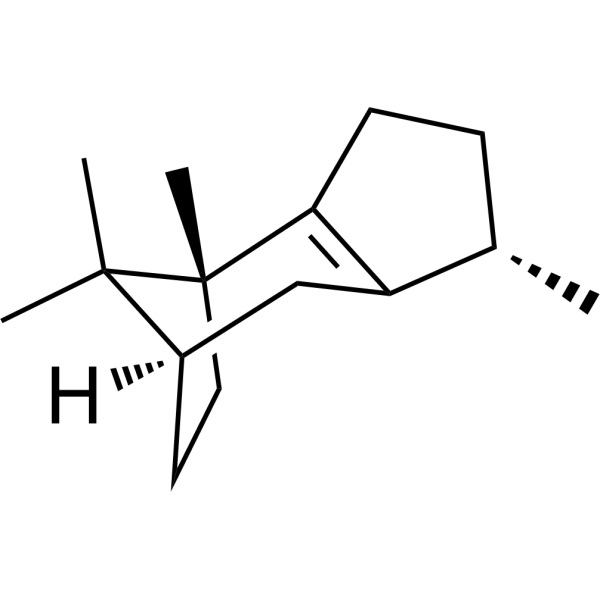 0 Imagesβ-Patchoulene is an orally active anti-inflammatory, antioxidant, and anti-apoptotic agent. β-Patchoulene inhibits the NF-κB, TLR4, and cAMP/PKA/CREB signaling pathways; activates the Sirt1/Nrf2 and AMPK signaling pathways; and targets Fas/FasL, Caspase-3, ERK1/2, ROCK1/MLC2 for inhibition. β-Patchoulene regulates cytokine secretion, inflammatory cell infiltration, lipid peroxidation, cell polarization, gut microbiota, and lipid metabolism, restores barrier function, mitochondrial function, and cell viability, and exhibits repellent activity against Spodoptera exigua larvae. β-Patchoulene can be used in research related to various inflammatory, ischemic, fibrosis-associated diseases, as well as hepatocellular carcinoma.
-
Guluronic acid
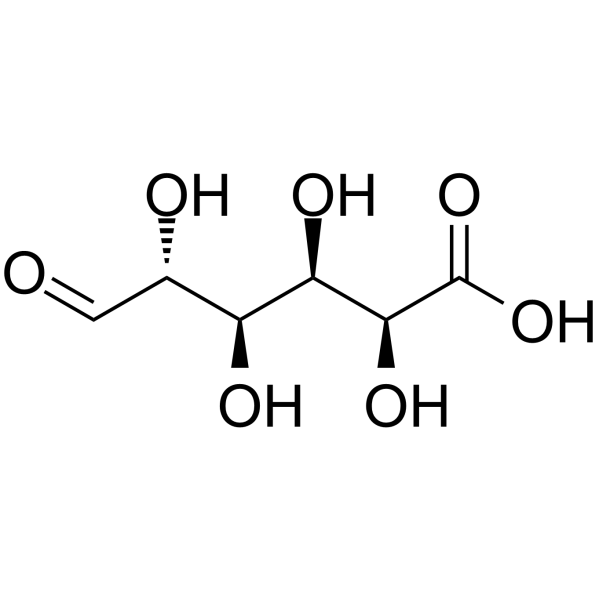 0 ImagesCat. No.: HY-N7700CAS No.: 15769-56-9Synonyms: G2013Guluronic acid (G2013) is an orally active oxidative stress regulator and anti-inflammatory agent that exerts pharmacological effects by down-regulating various pro-inflammatory and oxidative stress-related genes (such as TLR4, NF-κB, iNOS, etc.) and inhibiting the activities of COX-2, MMPs and VEGF. Low-dose Guluronic acid up-regulates the expression of immunoregulatory genes SHIP1 and SOCS1, thereby effectively inhibiting cancer-related inflammation, tumor angiogenesis, cell adhesion and metastasis, while reducing the accumulation of immunosuppressive cells. Guluronic acid significantly prolongs the survival time of tumor-bearing hosts within a concentration range without direct cytotoxicity, demonstrating favorable safety. Guluronic acid has involved in the research of multiple sclerosis, ankylosing spondylitis, breast cancer and other inflammatory diseases.

-
Methylchloroisothiazolinone
 0 ImagesCat. No.: HY-W041608CAS No.: 26172-55-4Methylchloroisothiazolinone is a widely used fungicide and also an aquatic pollutant with pro-inflammatory activity and neurotoxicity. Methylchloroisothiazolinone induces the production of pro-inflammatory cytokines (such as IL-1β, TNF-α, IL-6) by activating the NF-κB signaling pathway and upregulating TLR4 expression, thereby triggering allergic contact dermatitis. Methylchloroisothiazolinone reduces cholinesterase activity and exacerbates oxidative stress by impairing catalase activity and disrupting redox balance. Methylchloroisothiazolinone poses significant harm to Mediterranean mussels, reducing the viability of hemocytes and digestive gland cells, inhibiting immune phagocytic function, and disrupting osmoregulatory capacity. Methylchloroisothiazolinone is used in studies on allergic contact dermatitis and related immunotoxicity mechanisms.
-
Dazdotuftide TFA
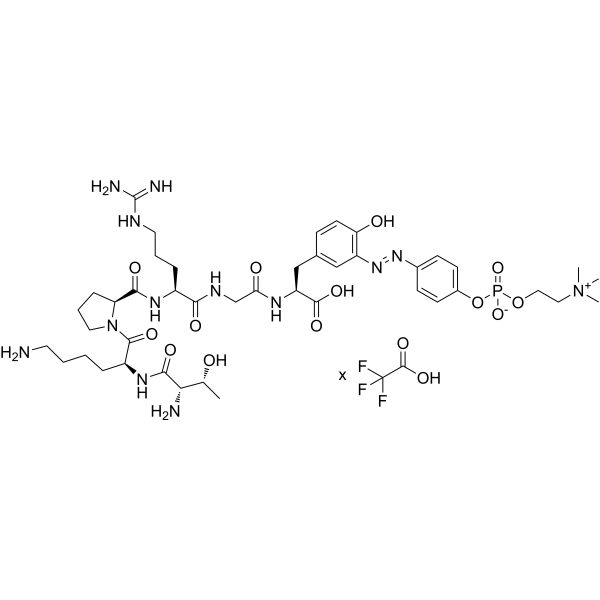 0 ImagesCat. No.: HY-P3449ACAS No.: 2522933-45-3Synonyms: TRS01 TFADazdotuftide TFA (TRS01 TFA) is a multi-target immunomodulator composed of tuftsin and phosphorylcholine-related groups. Dazdotuftide TFA regulates TLR4/NF-κB and NRP1/VEGF165 related signaling pathways and inhibits the production of pro-inflammatory cytokines. Dazdotuftide TFA can be used in studies related to inflammation and immunoregulation.
-
Dazdotuftide
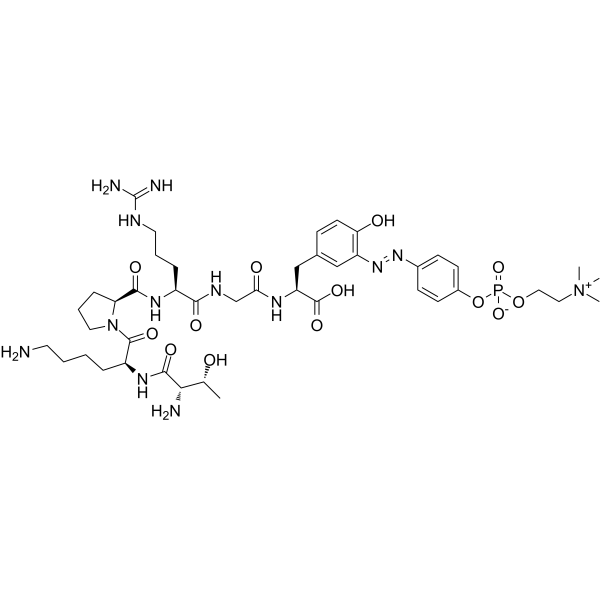 0 ImagesCat. No.: HY-P3449CAS No.: 2522933-44-2Synonyms: TRS01Dazdotuftide (TRS01) is a multi-target immunomodulator composed of tuftsin and phosphorylcholine-related groups. Dazdotuftide regulates TLR4/NF-κB and NRP1/VEGF165 related signaling pathways and inhibits the production of pro-inflammatory cytokines. Dazdotuftide can be used in studies related to inflammation and immunoregulation.
-
CIAC101
 0 ImagesCat. No.: HY-179646CAS No.: 3122563-80-5CIAC101 is a potent and brain-penetrant TLR4 antagonist with an IC50 of 17.0 nM in NO assay. CIAC101 blocks Lipopolysaccharides (HY-D1056) (LPS)-induced NF-κB activation and reduces the expression of pro-inflammatory mediators (iNOS, IL-1β, TNF-α, and IL-6). CIAC101 robust antineuroinflammatory activity with efficacy against drug-evoked neurobehavioral adaptations. CIAC101 can be used for the research of addiction and neurological disease.
-
Ligusticum cycloprolactam
 0 ImagesCat. No.: HY-N17383CAS No.: 2283387-37-9Ligusticum cycloprolactam is a potent, orally active, and CNS-penetrant TLR4/NF-κB inhibitor, exhibiting anti-inflammatory and neuroprotective activity. Ligusticum cycloprolactam reduces FPR1 expression, inhibits NLRP3 inflammasome, TLR4/NF-κB, hepatic MAPK and TGF-β signaling, and selectively activates hepatic FXR. Ligusticum cycloprolactam attenuates pro-inflammatory mediator production, enhances anti-inflammatory cytokine secretion, regulates renal uric acid transporters, and preserves intestinal microbiota composition. Ligusticum cycloprolactam can be used for the research of ischemic stroke, hyperuricemic nephropathy, neuroinflammation, and metabolic dysfunction-associated fatty liver disease.

-
Mumefural
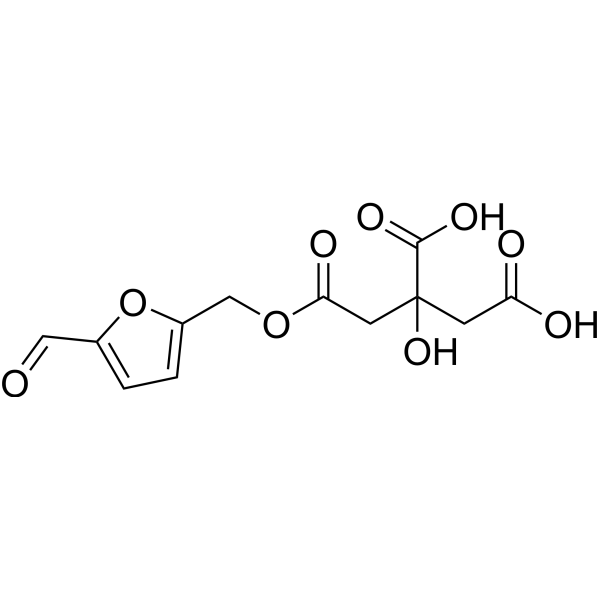 0 ImagesCat. No.: HY-N8903CAS No.: 222973-44-6Mumefural is a bioactive component of the processed fruit of Prunus mume Sieb. Mumefural inhibits platelet aggregation. Mumefural shows anti-thrombotic effects and ameliorates cognitive impairment.

-
(+)-Naloxone
 0 ImagesCat. No.: HY-17417ECAS No.: 65700-73-4(+)-Naloxone is a TLR4 inhibitor and the dextrorotatory enantiomer of the non-opioid Naloxone (HY-17417A) that lacks opioid receptor binding activity. (+)-Naloxone binds to MD2, preventing LPS from binding to TLR4, thereby inhibiting TLR4 signaling, downstream NFκB activation, and proinflammatory cytokine synthesis. (+)-Naloxone crosses the placenta. (+)-Naloxone is used in the research of preterm birth.
-
PAI-1
 0 ImagesCat. No.: HY-P11413CAS No.: 139446-70-1PAI-1 is a serine protease inhibitor (SERPIN). PAI-1 binds to and irreversibly inhibits uPA, tPA and furin; it also interacts with vitronectin, α1-acid glycoprotein, CRT, TLR4, proteasome α-3 subunit, uPAR, LRP1, Integrin αvβ3 and thrombin. PAI-1 regulates fibrinolysis, extracellular matrix turnover, cell migration, angiogenesis, inflammatory response and tissue remodeling; it mediates epithelial-mesenchymal transition (EMT)/endothelial-mesenchymal transition (EndMT), apoptosis and thrombus stabilization. PAI-1 can be used in research related to sepsis, acute lung injury, cardiovascular diseases, tissue fibrosis, diabetic nephropathy, obstructive nephropathy and non-insulin-dependent diabetes mellitus.
-
Tri(TLR4-IN-C34-C2-amide-C3-amide-PEG1)-amide-C3-COOH
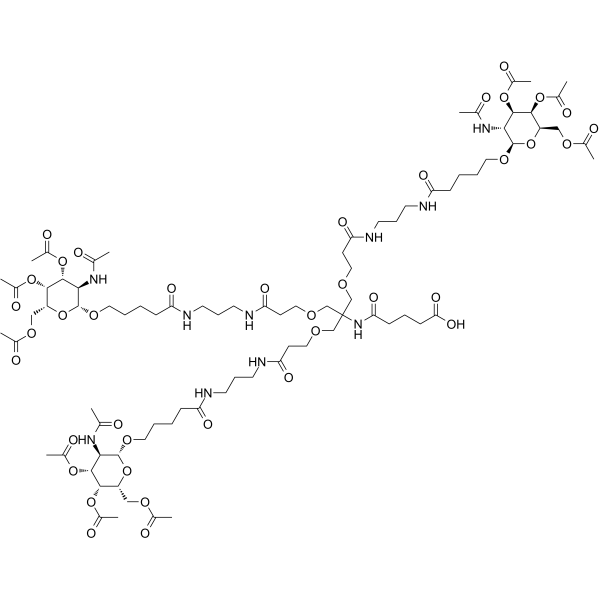 0 ImagesCat. No.: HY-145255Tri(TLR4-IN-C34-C2-amide-C3-amide-PEG1)-amide-C3-COOH is a linker that incorporates TLR4 inhibitor TLR4-IN-C34. TLR4-IN-C34 inhibits TLR4 in enterocytes and macrophages, and reduces systemic inflammation in mouse models of endotoxemia and necrotizing enterocolitis.

-
APG-7
 0 ImagesCat. No.: HY-179036APG-7 binds to the TLR4/MD-2 interface, thereby inhibiting NO production (IC50 of 24.2 μg/mL). APG-7 is an Apigenin (HY-N1201) derivative. APG-7 has low toxicity to the 3T3 fibroblast cell line. APG-7 can be used for the study of oxidative stress and inflammation.
-
Pap12-6-10
 0 ImagesCat. No.: HY-P11580Pap12-6-10 is an MD-2 ligand that binds to the hydrophobic pocket of MD-2 to inhibit the dimerization of the TLR4/MD-2 complex and downstream inflammatory signal transduction. Pap12-6-10 also binds to LPS to permeabilize bacterial cell membranes and induce oxidative stress, leading to bacterial death. Pap12-6-10 regulates LPS-induced inflammatory responses through the TLR4 signaling pathway and exhibits antibacterial activity against multidrug-resistant Gram-negative bacteria. Pap12-6-10 shows low tendency to induce drug resistance and low preclinical cytotoxicity, and it prevents organ damage in a mouse model of sepsis. Pap12-6-10 can be used for research related to Gram-negative sepsis and carbapenem-resistant Acinetobacter baumannii infections.
-
LYRM03
 0 ImagesCat. No.: HY-N19847CAS No.: 1820750-36-4LYRM03 is a derivative of Ubenimex (HY-B0134) and a Aminopeptidase N inhibitor. LYRM03 is isolated from Streptomyces HCCB10043. LYRM03 inhibits TLR4, MyD88, NLRP3, ASC, NF-κB and p38 MAPK, stabilizes IκB, and suppresses LPS-induced expression of iNOS and COX-2. LYRM03 reduces the levels of inflammatory cytokines and oxidative stress markers, and alleviates pulmonary edema. LYRM03 exhibits anticancer activity against breast cancer. LYRM03 has anti-inflammatory activity. LYRM03 can be used in the research of acute lung injury and breast cancer.
-
HVF18-a3-d
 0 ImagesCat. No.: HY-P11250HVF18-a3-d is an antimicrobial peptide. HVF18-a3-d reduces NO production. HVF18-a3-d inhibits the production of TNF-α and IL-6, reduces ROS production, and suppresses the TLR4 signaling pathway, as well as LPS-induced phosphorylation of ERK, JNK, and p38 MAPK. HVF18-a3-d exhibits antimicrobial activity against a variety of bacteria by disrupting their outer and inner membranes. HVF18-a3-d protects mice from fatal septic shock induced by Acinetobacter baumannii resistant to Carbapenem. HVF18-a3-d shows anti-inflammatory and antioxidant effects.




